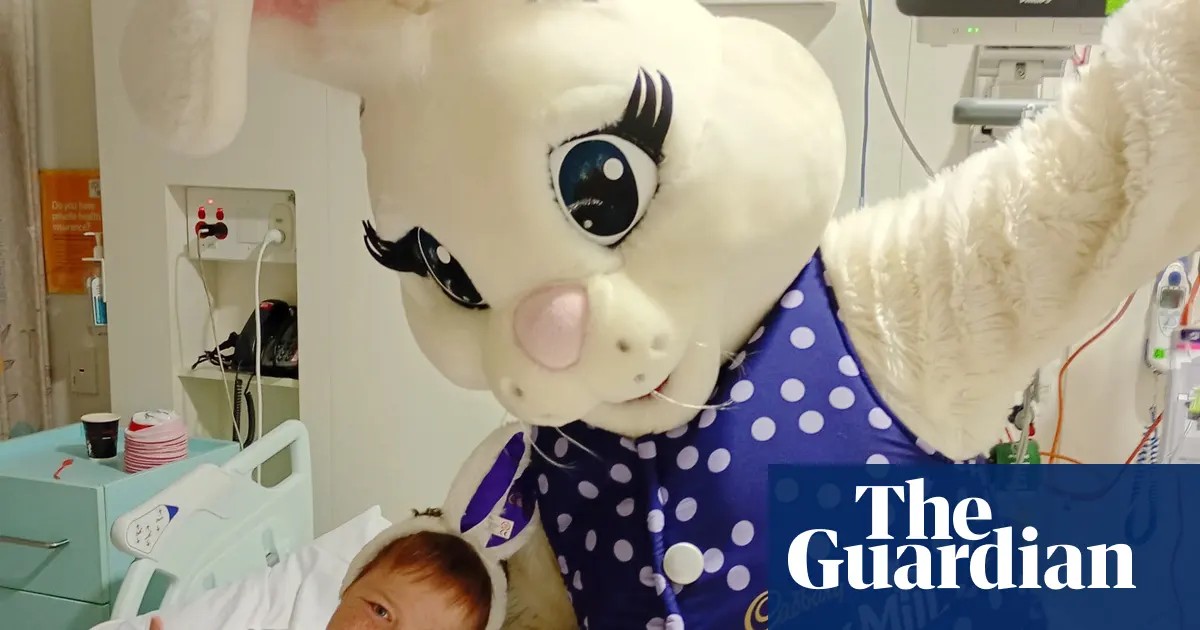
Harry Booth is thirteen. He looks like any other kid, mostly. But he’s spent his life navigating a broken system.
Born with kidney failure, Harry needed dialysis at six months. A transplant from his father at four saved his life. That gift came with a heavy price: lifelong immunosuppressants. These drugs keep his new kidney from being rejected, but they also strip away his natural defenses.
Result? Harry is vulnerable.
This winter, he was hospitalized repeatedly. Chest infections. Urinary tract infections. The kind of bugs adults shrug off, but for Harry, they are battles.
His doctors are struggling. The bacteria causing these infections have developed resistance to several common antibiotics. When standard drugs fail, the treatment protocol shifts. It becomes harsher. Longer.
Harry needs intravenous drugs for days. Sometimes, he needs invasive procedures to physically clean bacteria from his bladder. He misses school. He misses home.
His mother, Eileen, watches him suffer. She knows the backups are working—for now. But she fears the day those options fail too. They are holding off on aggressive treatments until thresholds are met, trying to buy time.
Harry is not an anomaly. He is a symptom of a global crisis.
A Global Pattern of Failure
A massive new study, led by the Murdoch Children’s Research Institute (MCRI), has laid out the scope of the problem. It is not just Harry. It is everywhere.
The researchers analyzed over 106,000 infection samples from children up to age 18 in 82 countries. The findings, published in the Journal of the American Medical Association, are stark.
Antibiotic resistance increased in every single region between 2004 and this year, 2022.
“We are finding antibiotic resistance not just in severe diseaes but in more simple, uncomplicated infections…”
This isn’t confined to neonatal intensive care units anymore. It is in primary care clinics. It is in the treatment of routine urinary tract infections.
Specific bacteria are driving this spike. Acinetobacter baumannii is a nightmare. It has a tough double-membrane defense and shows the highest levels of drug resistance. It causes sepsis and pneumonia, life-threatening conditions that are becoming harder to kill.
But Klebsiella is moving faster.
Klebsiella causes liver abscesses and UTIs. The study found its resistance levels are rising at the fastest pace. The hotspots? Southeast Asia, eastern Europe, and the western Pacific.
The 2035 Projection
The data allows for some chilling forecasts. Using statistical modeling, researchers projected trends up to 2035.
The picture is not hopeful for last-line antibiotics. By 2035, resistance to these critical drugs could hit 82% for Acinetobacter baumannii and 35% for Klebsiella.
These are the drugs left when everything else fails. When these go, we are left with little to nothing.
Professor Penelope Bryant, co-author of the study and one of Harry’s treating physicians, highlights a critical oversight. Children have been largely ignored in global antibiotic surveillance.
Why?
Clinical trials on children are difficult. They are ethically complex. And they are less lucrative for pharmaceutical companies than adult trials. So, the data gap remains wide.
Children are particularly vulnerable because they catch bacterial infections at high rates but have far fewer antibiotic options than adults. Adult doses don’t always translate. Formulations aren’t always available. Clear dosing guidelines are missing.
This is a structural failure.
The Divide: Low vs. High Income
The crisis does not look the same everywhere. The drivers differ by geography.
In low-income countries, the problem is basic infrastructure. Unregulated antibiotic use. Poor sanitation. In these settings, drug-resistant infections are a leading cause of death for children under five. They lack access to diagnostic tools and first-line treatments.
High-income countries have a different problem: overuse.
The study notes that antibiotic overuse in farming, veterinary care, and healthcare is fueling resistance here. While first-line “access” resistance is stabilizing in wealthy regions, low-resource settings are seeing sharp rises in resistance to critical “watch” and “reserve” drugs.
The World Health Organization categorizes antibiotics into three buckets to help manage this:
- Access: Targeted, first-line treatments.
- Watch: Broader use, higher resistance risk.
- Reserve: Last-resort drugs for the toughest infections.
In high-income countries, we are risking our access and watch drugs. In low-income countries, they are losing them.
Real Consequences for Doctors and Families
Professor Chris Blyth, president of the Australasian Society for InfectIOUS Diseases, calls the new research and accompanying data tools “really important work.”
But for clinicians on the ground, the importance is visceral. Blyth sees the results daily.
Children come in with infections that resist first- and second-line agents. He has to reach for drugs that are harder to obtain, harder to administer, more expensive, and more toxic.
It is a triage game. And the stakes are a child’s life.
Fighting Back with Data
To bridge the information gap, Bryant and her team launched “AMR in Kids.” It is a website providing region and pathogen-specific resistance forecasts up to 2035.
The goal? To help identify emerging threats before they become uncontrollable. To inform treatment decisions. To guide research funding.
It provides a granular view of where the battle lines are drawn. Who needs which drugs? Which bacteria are winning? Where should resources be focused?
For Eileen Booth, it offers a sliver of hope. She wants better education on resistance. She wants parents and policymakers to understand the long-term costs.
“People are already starting to understand,” she says, “but there is a long way togo.”
The technology exists. The data is clear. What remains is the political and logistical will to act on it.
Harry needs better antibiotics. He needs formulations designed for kids. He needs a system that prioritizes his health over profit margins and administrative convenience.
Until then, he stays in and out of hospitals. A十三-year-old fighting wars with germs that no longer care about his existence.