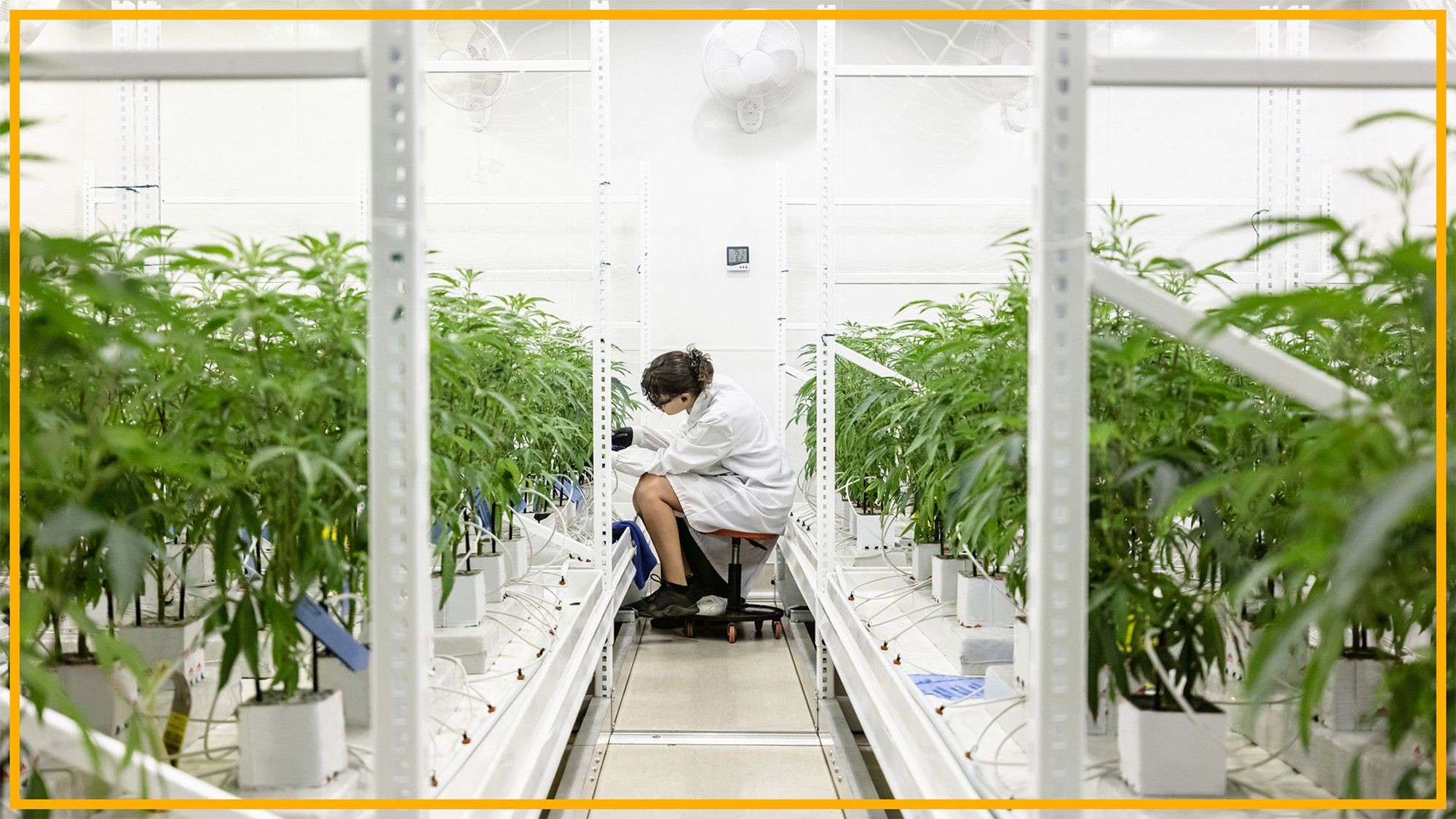
The federal government finally moved to reschedule cannabis. The White House recently pushed to expedite the process, aiming to shift the plant from Schedule I to Schedule III. This isn’t just bureaucratic reshuffling. It changes everything for science.
For years, researchers watched from the sidelines. Now, the door is cracking open. The biggest impact? Money. Rescheduling cannabis unlocks the potential for the largest investment in cannabis research we have ever seen. But let’s get one thing straight. This isn’t a magic fix. It’s a transition. Not an endpoint.
The Messy Current State Of Cannabis Law
Things are complicated right now. They always have been.
More than 6 million Americans use medical cannabis through state programs. Doctors don’t write prescriptions. They “certify” or “recommend” specific products. Meanwhile, the FDA has approved a handful of cannabinoid-based drugs. These are real pharmaceuticals. Think Epidiolex.
But here is the contradiction. Federal law still lists cannabis as a Schedule I substance. That’s the same category as heroin and LSD. The Controlled Substances Act of 1970 created this box. It claims Schedule I drugs have no medical use. High abuse potential.
So how do FDA-approved drugs exist while the plant is Schedule I? Because these systems don’t talk to each other. Federal scheduling is one track. FDA approval is another. State laws are a third. It’s a three-tiered nightmare for patients and doctors alike. Confusing. Fragmented. Real.
Why Rescheduling Cannabis Changes Research
Moving to Schedule III fixes a lot of that friction.
Schedule III drugs have accepted medical uses. Lower abuse potential. Think ketamine. Think testosterone. If cannabis joins this group, the rules change. Specifically, the rules for scientists.
Currently, studying cannabis is a bureaucratic hellhole. Researchers need extra approvals from the DEA, their institutions, and local authorities. They have to secure storage. They need detailed record-keeping for every gram. It’s slow. It’s expensive. It scares away funding.
Worse, the cannabis they study doesn’t match what patients actually use. Researchers often get government-grown flower. Patients buy edibles, vapes, and diverse strains. The data doesn’t align with reality.
Rescheduling cannabis removes these shackles. Universities and healthcare systems can finally join the race. Funding follows ease of access. We could see larger, more rigorous clinical trials. The kind that actually prove which treatments work for chronic pain, PTSD, or sleep disorders.
This evidence base is what’s missing. We need to know dosing. We need to know safety profiles. We need to strip away stigma with data, not anecdotes.
What Rescheduling Won’t Do
Don’t get ahead of yourself.
Moving to Schedule III won’t automatically make cannabis accessible to every patient. It won’t tell you which dose works for your back pain. It certainly won’t fix state program complexities overnight.
Here is the hard truth. Medical cannabis is not one drug. It is an umbrella term for hundreds of products. Different cannabinoids. Different formulations. Different delivery methods. Most are not FDA-approved.
Rescheduling doesn’t convert state programs into traditional prescription systems. You still won’t walk into a pharmacy and get a bottle of “CBD Flower” with insurance coverage. The financial barriers remain. The access issues remain.
If we stop at the policy change, we fail. Without follow-up research, we just have a new label for an old problem.
The Real Value Lies In Evidence
So why do it?
The goal isn’t immediate access. It’s scientific foundation. Policymakers open the door. Researchers, clinicians, and regulators must walk through it. They have to build the evidence.
The value of rescheduling cannabis will be measured by the quality of the science that follows. Does it create a path to responsible medical use? Or just a new regulatory gray area?
The investment is coming. The studies will start. Whether they change patient lives depends on what those studies find. We have to wait and see.